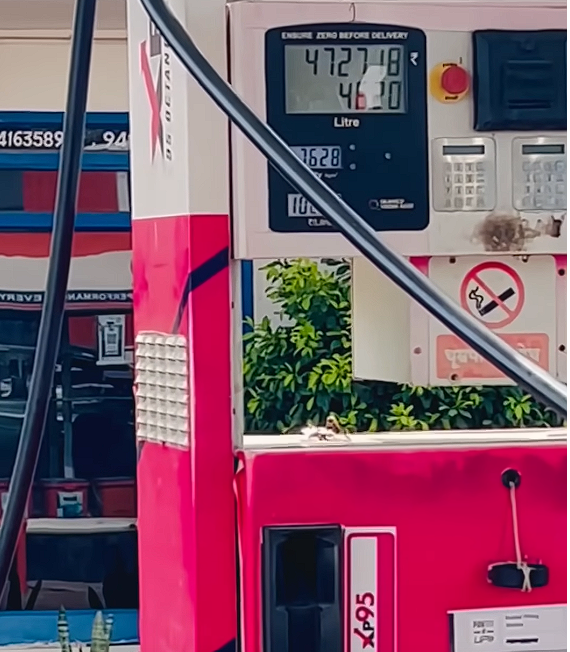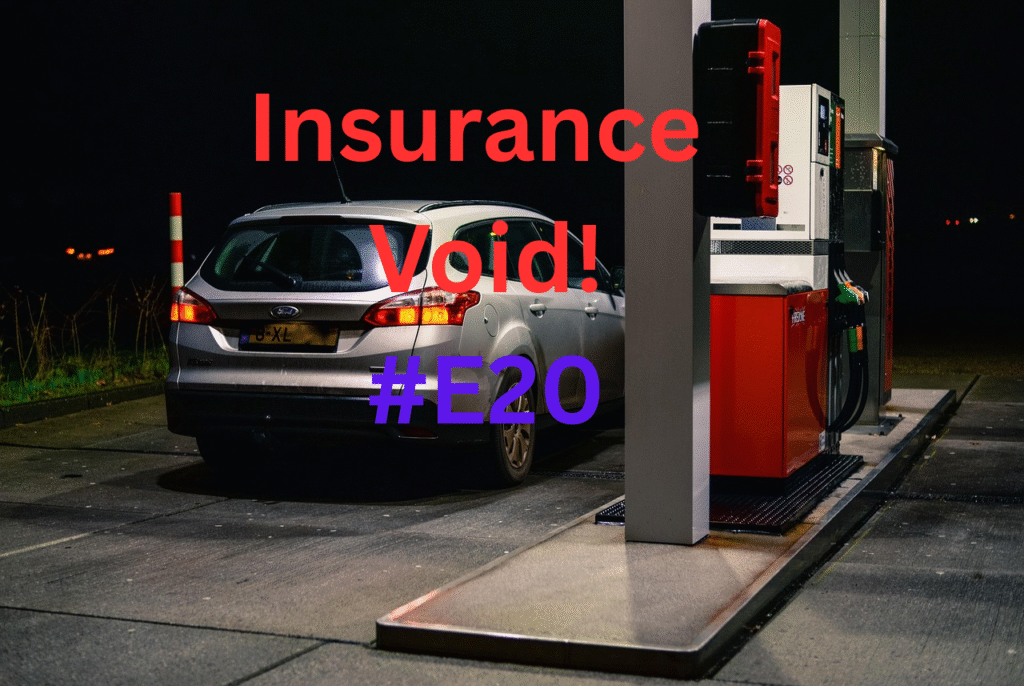
India is rapidly transforming its energy ecosystem, and one of the biggest shifts underway is the rollout of E20 petrol—a fuel blend containing 20% ethanol and 80% petrol. While the government pitches it as a step toward energy security, cleaner emissions, and support for farmers, many vehicle owners and industry experts are raising valid concerns. Questions are being asked: Why now? Is this fuel actually safe for all vehicles? And why is XP100, India’s premium petrol, priced as high as ₹160 per litre?
Let’s break it down.
What is E20 Petrol?
E20 petrol is a blend of 20% ethanol—an alcohol-based fuel primarily derived from sugarcane, molasses, and grains—with 80% petrol. It is part of India’s broader ethanol blending program, which aims to reduce reliance on crude oil imports, cut down carbon emissions, and boost the rural economy.
The government first proposed an aggressive target of reaching 20% blending by 2030, but later advanced it to 2025, and now E20 is being rolled out across multiple fuel stations in various cities.
Why is the Government Pushing E20?
There are several reasons behind the government’s push:
- Reducing Oil Imports: India imports over 85% of its crude oil. Ethanol blending helps reduce this dependency.
- Cleaner Fuel Option: Ethanol burns cleaner than petrol, leading to lower carbon monoxide and particulate emissions.
- Boost to Farmers and Rural Economy: Ethanol is produced from crops like sugarcane and rice. More blending means more demand, offering better prices to farmers.
- Paris Agreement Targets: India has committed to reducing its carbon intensity under international climate pacts. Ethanol is a step in that direction.
The intention sounds noble on paper. But the reality for vehicle owners is far more complicated.
Why E20 Petrol Might Be Bad for Vehicles
Here’s where the debate gets heated. Ethanol may be good for the environment, but not all vehicles are ready for E20.
- Engine Compatibility: Most vehicles on Indian roads today (especially those manufactured before 2020) are not designed for E20. Using this fuel in non-compatible engines can cause:
- Corrosion in fuel lines
- Rubber seal deterioration
- Increased engine knocking
- Lower fuel efficiency
- Mileage Drop: Ethanol has a lower energy density than petrol. This means your vehicle will deliver lower mileage with E20, leading to more frequent refuelling and ultimately, higher fuel costs.
- Maintenance Costs: Ethanol is hygroscopic—it absorbs moisture. Over time, this can lead to corrosion in metal components, clogged injectors, and potential engine damage. Users may end up paying higher maintenance bills.
Even automobile manufacturers are cautious. While some companies have begun rolling out E20-compliant models, they are still a minority on the road.
The XP100 Angle: Why So Costly?
While the government pushes for more ethanol in petrol, it has also introduced XP100, India’s first 100-octane premium fuel. At ₹160 or more per litre, it is nearly 50–60% costlier than regular petrol.
Why such a massive price difference?
- XP100 is a premium fuel, meant for high-end, performance-oriented vehicles. It offers better combustion, enhanced throttle response, and engine life—but only if the vehicle is designed to take advantage of it.
- It is not mass-produced and is available only in select cities, keeping volumes low and costs high.
- There are higher taxes and distribution costs associated with premium fuels, adding to the end price.
Now here’s the contradiction: while E20 may harm older vehicles, the alternative—XP100—is simply unaffordable for most consumers. The average car or two-wheeler owner is being squeezed between a potentially harmful blend and a high-cost premium fuel.
Public Backlash and Growing Concerns
Over the past few months, vehicle owners have started raising their voices—especially on social media and automotive forums. The core issues being highlighted include:
- Lack of Awareness: Many people are unaware their vehicles are not compatible with E20, leading to accidental usage and problems later.
- Lack of Choice: Some petrol stations now only offer E20 petrol, leaving consumers with no alternative.
- Higher Running Costs: Reduced mileage and higher maintenance negate the fuel’s initial environmental benefits.
- No Clear Labelling: Several petrol pumps don’t prominently display whether the fuel is E20 or not, leaving it to the customer to guess or ask.
Conclusion: A Good Policy, Poorly Timed?
There’s no doubt that ethanol blending is an important part of India’s energy roadmap. But its implementation raises valid questions. A transition like this requires clear communication, vehicle compatibility checks, and consumer education—none of which have been adequately addressed.
Until the majority of vehicles on Indian roads become E20-compliant, rolling out this fuel aggressively could lead to widespread engine issues and consumer dissatisfaction. Worse, it may push consumers toward more expensive or risky fuel alternatives.
For now, many feel this is a classic case of good policy, poorly timed—and it’s the common man who may end up paying the price.